



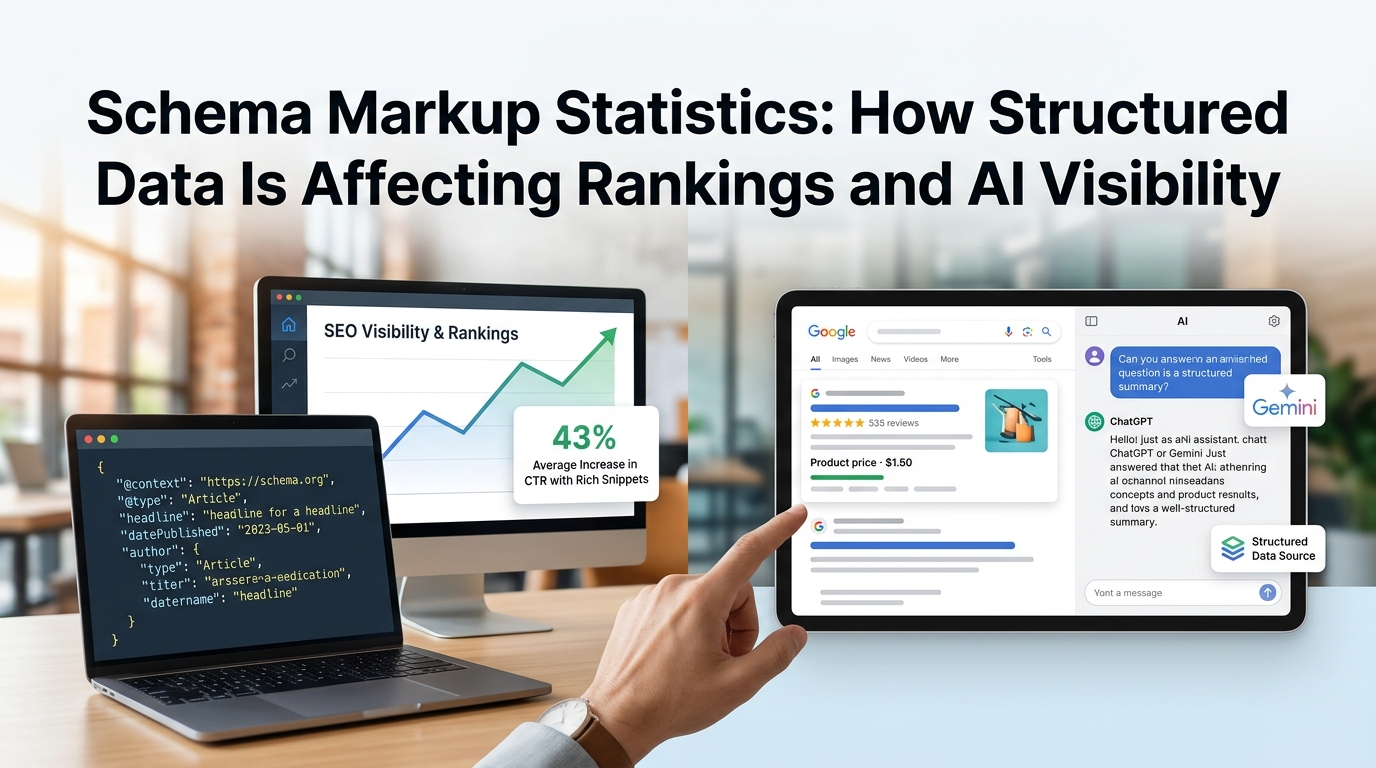
Structured data used to be the part of search engine optimization that most bloggers skipped. In 2026, doing without it will have measurable consequences.
The core numbers
Content with correct schema markup is 2.5x more likely to appear in AI-generated answers. Sites with full Tier 1 schema see up to 40% more AI overview appearances.
These are not marginal differences. A 2.5x advantage in presenting AI answers is the kind of multiplier that increases over time as AI search’s share of total query volume continues to grow. For any blogger or publisher wanting visibility in the next generation of search, this is the most important technical data point of 2026.
As of March 2026, the schema.org vocabulary has grown to over 800 types, covering everything from medical conditions to software applications. But only a fraction of these types result in rich search results on Google.
Reddit’s R/SEO at https://www.reddit.com/r/SEO/ has a detailed pinned thread about which schema types actually produce results in 2026 and which are theoretical. The practical consensus: focus on five types and implement them well, rather than implement twenty types poorly.
The impact of the FAQ scheme on retirement
Search Console’s FAQ rich results filter and rich results testing support will be removed in June 2026. The FAQ Page schema type remains valid on schema.org, but does not produce rich results in Google.
However, the FAQ schema for AI systems can still be helpful. This distinction is important for bloggers whose posts contain FAQ sections. The schema does not need to be removed. It simply should no longer be counted as a rich result strategy by Google. It now serves a different audience – AI crawlers and not Google’s rich snippet system.
The five types of schemas that deliver results
The five schema types that will dominate in 2026 are organization, article or blog post, FAQ page with caveats, product, and local business. JSON-LD only.
Article, news article and blog posting schema tell AI mode the content type, main topic and intended audience. Organization and people schemas with “Same As” identifiers enable AI to resolve the publishing entity based on Knowledge Graph datasets. Resolved entities receive higher trust scores in AI response generation.
X discussion below https://x.com/search?q=schema+markup+AI+search+2026 makes one thing clear: the bloggers who saw the scheme as a nice-to-have are now behind those who saw it as infrastructure. The gap is measurable in the appearance of the AI overview and in the organic CTR from AI-powered search results.
For practical help with implementation, Quora is available at https://www.quora.com/How-do-I-add-schema-markup-to-my-blog features step-by-step guidance from practitioners who have implemented schemas in both WordPress and custom CMS environments.
Quick links:



