



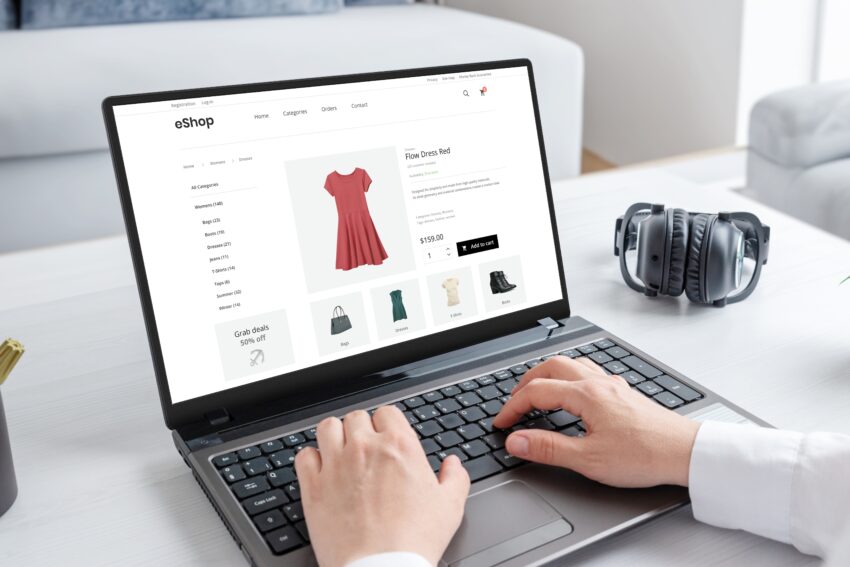
Many entrepreneurs are building brands with strong online appeal. Sales are growing. Consciousness builds. The next step is often retail expansion. This step introduces a new level of pressure.
Retail doesn’t reward potential. It rewards performance.
TLK Fusion, a marketing and retail strategy agency founded in 2009, has worked with brands at various stages of growth, including startups and established companies entering national retail. Her experience is based on supporting brands through placement, execution and long-term retail performance. This perspective shapes how they view preparation.
“Too many brands think retail is the next step after growth,” they explain. “In reality, it requires a whole different level of preparedness.”
Why early strategy is more important than timing
Retail expansion often happens too early. Founders see the demand and assume the product is ready to scale.
The data shows otherwise. Industry studies show that 80% or more of new consumer packaged goods fail within the first two years. Many fail after entering retail.
The problem is not product quality. The problem is a lack of preparation.
Retail introduces fixed schedules, strict expectations and performance tracking. Brands are losing flexibility. Decisions must be made in advance.
“Retail is structured,” says TLK Fusion. “You can’t adapt in real time the way you can online.”
An early strategy reduces risk. It allows brands to test assumptions before committing to large-scale distribution.
Understanding the shift from direct sales to retail
Direct-to-consumer models give founders control. You manage prices, messaging and customer interaction.
Retail removes this control. Products compete in the common space. Buyers evaluate based on data.
This shift is changing the way brands must operate.
- Prices must match wholesale margins
- Packaging must communicate immediately
- Supply chains must support volume
- Marketing must increase demand in the store
Research shows that over 70% of purchasing decisions are made at the shelf. This leaves no room for long explanations or complex messages.
“Consumers don’t have time to experience your product in a store,” explains TLK Fusion. “You need to understand it immediately.”
Brands that prepare for this shift perform better in early retail cycles.
Creating a retail-ready product
A product that works online may not work in retail. Packaging, size and price all affect performance.
Retail buyers evaluate products based on:
- Category appropriate
- Competitive prices
- Shelf appeal
- Sales potential
Many founders focus on branding. Retail requires functional clarity.
Studies show that products with clear positioning outperform competitors in crowded categories. It’s not just about design. It’s about communication.
“Your product has seconds to make an impact,” says TLK Fusion. “Clarity is more important than creativity at this moment.”
These limitations should be taken into account during early product development.
Retail pricing from the start
Pricing decisions made early can limit future growth. Many brands build pricing models based on direct sales margins.
Retailers introduce wholesale prices. Margins are shrinking. The costs are rising.
This includes:
- Retailer margins
- Distribution Fees
- advertising costs
- Returns and allowances
A study by retail finance groups shows that brands can lose 30-50% of their margin when moving into retail channels.
Without planning, this change can lead to a product no longer being sustainable.
“Brands need to understand their numbers before they scale,” explains TLK Fusion. “If pricing doesn’t support retail, growth will stall.”
Early financial planning allows brands to enter retail with viable models.
Demand generation prior to retail launch
Success in retail depends on demand. Presence on the shelf alone does not increase sales.
Many founders assume that retail placement creates awareness. Retailers expect the opposite.
Products must already have an audience.
Research shows that brands with pre-launch awareness campaigns achieve better results in the first 90 days in retail.
This impacts reorder rates and long-term placement.
“Retail is not the place to start building awareness,” says TLK Fusion. “This is where they convert it.”
Brands that invest in early marketing achieve better results post-launch.
Preparing operations for scaling
Operational readiness is a common point of failure. Online brands can manage small quantities and flexible schedules.
Retail requires consistency.
Brands need to manage:
- Large order volumes
- Strict delivery schedules
- Inventory management
- Production safety
Supply chain data shows that over 60% of small brands face order fulfillment challenges when entering retail.
These issues impact retailer relationships and sales performance.
“Retail relies on reliability,” explains TLK Fusion. “If you can’t deliver consistently, it affects everything else.”
Preparation must include operational systems, not just marketing plans.
Alignment of marketing with implementation in retail
When entering retail, marketing strategies must change. Online campaigns focus on engagement. Retail requires change.
The message must match the experience in the store.
This includes:
- Clear product advantages
- Consistent branding across all channels
- Targeted campaigns tied to retail locations
Retail studies show that integrated campaigns linked to store availability significantly improve sales rates.
“Marketing should support what’s happening in the store,” says TLK Fusion. “It has to inspire action, not just attention.”
Alignment between marketing and retail execution improves early performance.
Manage retail relationships from day one
Commercial partnerships require ongoing management. Buyers expect communication, performance tracking and support.
Brands must:
- Monitor sales data
- Respond to performance issues
- Support promotions
- Maintain inventory levels
If expectations are not met, future opportunities may be limited.
“Retail is a relationship business,” explains TLK Fusion. “It is built over time through performance.”
Early preparation includes understanding these expectations
Success in retail begins long before launch
Retail growth is not a single decision. It is the result of early planning, structured execution and consistent performance.
Brands that succeed in retail prepare well before they hit stores. They align product development, pricing, operations and marketing with the realities of retail.
“Too many brands wait until they have a placement to think about a strategy,” says TLK Fusion. “It’s too late.”
Entrepreneurs who approach trading in a disciplined manner improve their chances of long-term success. Preparation does not guarantee results. It creates a foundation for growth.
Retail rewards brands that are ready.



