



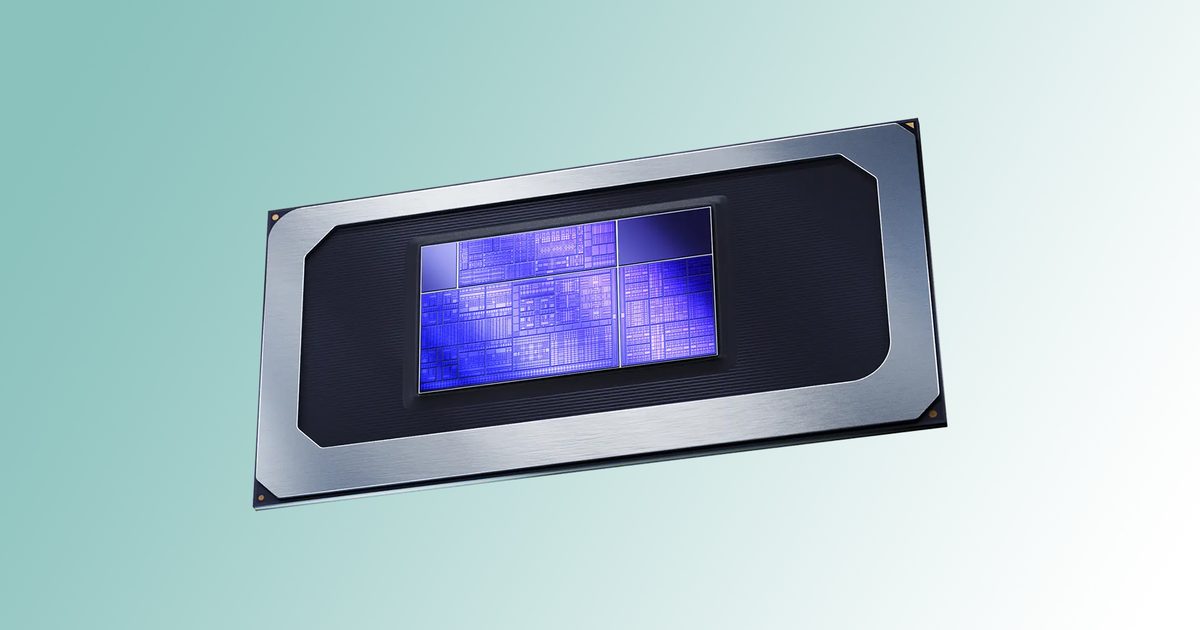
Intel’s next-generation integrated graphics, the Arc B370, has just surfaced in a new benchmark leak – and frankly, the numbers are shocking for a chip that sits directly on the CPU. The chip was spotted in a technical sample of the Core Ultra 5 338H (part of the upcoming Panther Lake family) and tested on FurMark’s 1440p OpenGL workload, achieving a score of 2,383 points.
For comparison, this integrated chip is 33% faster than Intel’s actual desktop graphics card, the Arc A380, and 70% faster than the current Lunar Lake chips. Even more impressive? It only consumed 36 W of power and ran at a cool 2.3 GHz.
But the real headline here is the competition. The Arc B370 comes dangerously close to NVIDIA’s RTX 3050 Ti laptop GPU (which scored 2,485 points), and even outperforms the standard RTX 3050 laptop (2,186). For the first time we’re seeing an integrated graphics card that can truly replace a mid-range dedicated graphics card.
Why this is important
Historically, OpenGL benchmarks have been Intel’s kryptonite. Their drivers simply didn’t handle the older API well. Seeing the Arc B370 put up these numbers shows that the Intel driver team has cleaned up big time and that the new Battlemage architecture (Xe3) is the real deal.
Here’s the kicker: the B370 isn’t even the front runner. A faster, higher core count Arc B390 is still expected to hit the market. This suggests that the performance ceiling for next-generation laptops will be significantly higher than what we’re seeing here. It confirms that Intel is serious about eliminating low-end discrete GPUs entirely.
Why you should care
For the average laptop buyer, this is great news. It means:
- Thinner, cheaper laptops: You don’t have to pay extra for a bulky laptop with a dedicated graphics card just to play casual games.
- Longer battery life: A powerful iGPU is much more efficient than a separate, power-hungry graphics card.
- Smarter performance: You get better AI and multimedia processing out of the box.
If these numbers translate to real-world gaming, the laptops of 2026 will offer a huge increase in performance per watt.
What’s next?
We probably won’t see the full picture until CES 2026, where Intel is expected to officially unveil Panther Lake. However, with the B370 and B390 already losing competitive results, AMD and NVIDIA are officially under pressure to rethink their mobile strategies.



