



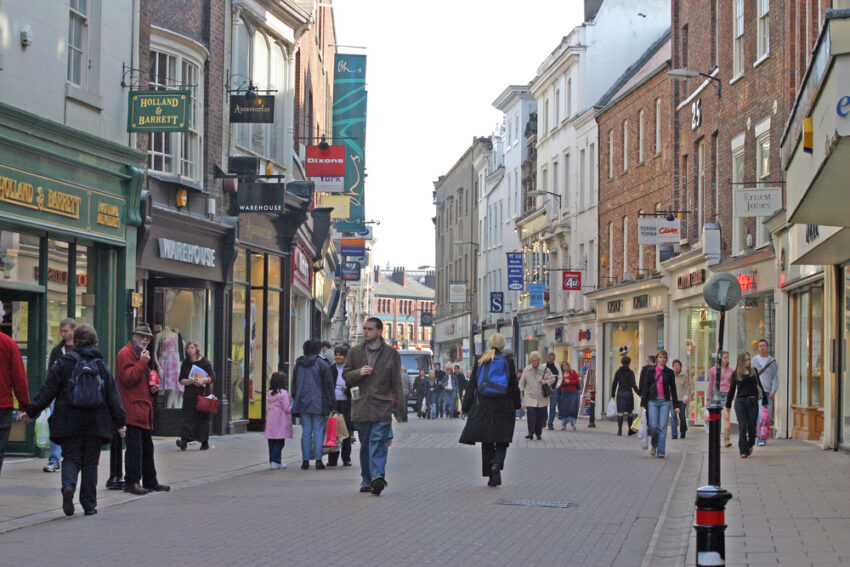
UK retailers were reeling from a lackluster Christmas period through the end of 2025 as non-food sales failed to provide the seasonal boost that many high street stores were hoping for.
New figures from the British Retail Consortium (BRC) show that total retail sales rose just 1.2% in December compared to a year ago – well below the 12-month average growth rate of 2.3%. While food sales proved resilient, demand for non-food items such as clothing, electronics and gift items remained flat during the most critical time of the year.
Non-food sales fell 0.3% year-on-year in December, a sharp reversal from the 4.4% growth recorded in the same month in 2024. Retailers cited mild, wet weather, weak consumer confidence and heavy discounting as key factors in the disappointing performance.
Helen Dickinson, chief executive of the BRC, described the trading period as a “monotonous Christmas” and noted that sales growth had now slowed for the fourth month in a row.
“Sales of non-food items collapsed in the run-up to Christmas and gift items performed worse than expected,” she said. “Many shoppers appeared to hold off on discounting, with a late spike in activity driven mainly by Boxing Day and sales at the start of January.”
The subdued sentiment was reflected in consumer spending data. Barclays reported that card spending fell 1.7% in December compared to a year earlier, marking the largest annual decline since February 2021 and worsening from a 1.1% decline in November.
However, food inflation continued to support supermarket revenues. According to Worldpanel by Numerator, food prices rose 4.3% in December, pushing average supermarket spending in the month to £476, around £15 more than last year. Still, pressure on household budgets remains high: 64% of shoppers say they plan to cut back on grocery spending in 2026, while more than half expect to cut back on discretionary purchases like clothing and dining out.
Discount grocers were the clear winners of the holidays. Aldi reported a 3% increase in sales in the four weeks to December 24, while Lidl reported a 10% increase in sales in the four weeks to Christmas Eve – both delivered record festive performances. Tesco and Sainsbury’s also reported Christmas sales increases, although their share prices fell last week after investors expected better results.
Elsewhere the picture was far more challenging. General merchandise retailers struggled across all categories, including apparel, jewelry and home goods. Argos, owned by Sainsbury’s, reported a 2.2% fall in sales in the six weeks to January 3, citing weak online traffic, aggressive promotions and fragile consumer sentiment.
The pressure is already reflected in the company crisis. Shares in Associated British Foods, owner of Primark, have fallen about 15% this year after a profit warning linked to weak fashion sales. Meanwhile, several retailers – including Claire’s, The Original Factory Shop and LK Bennett – are expected to appoint administrators, underlining the fragile state of the UK retail sector heading into 2026.



