



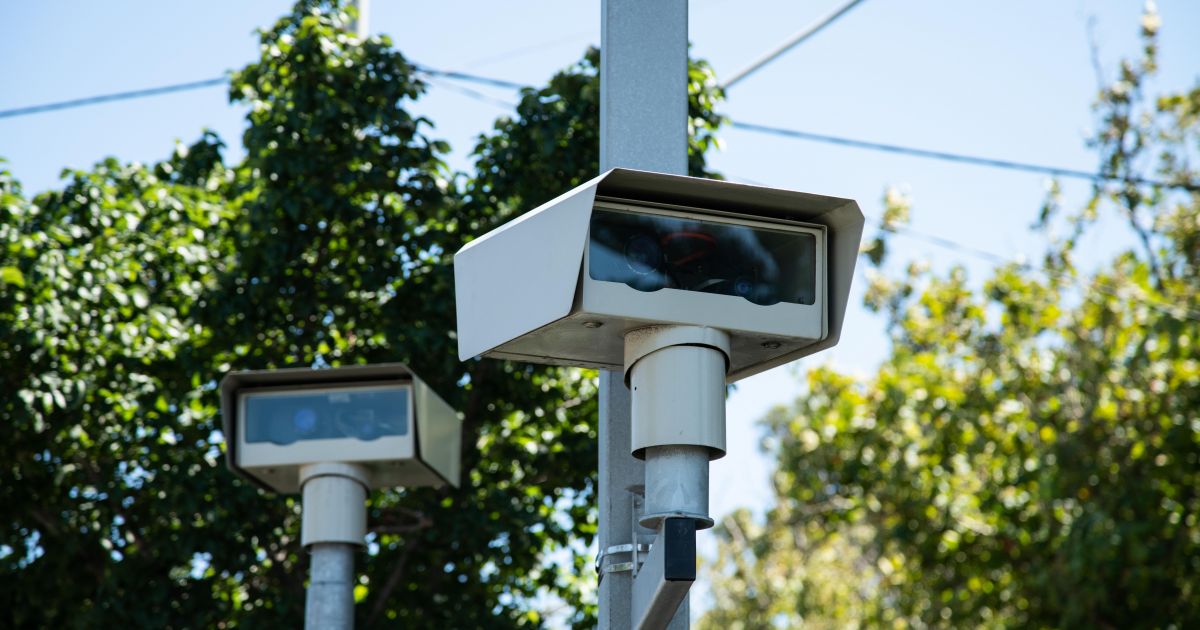
OntarioCanada’s most populous province will impose a ban automated speed cameras on Nov. 14 and hopes to replace them with speed bumps and other speed reduction measures.
The Ontario government has passed legislation as part of a sweeping “red tape” bill that will ban the use of automated speed cameras by municipalities across the province. The current law from 2018 allows the installation of automatic speed cameras in school and community zones.
In Canada, responsibility for law enforcement, including for traffic offenses, lies largely with local governments. This is in contrast to Australia, where the police and speed camera network operate at a state or territory level.
In place of the cameras, the province will create a new fund to help affected local governments install other speed reduction devices such as speed bumps, roundabouts, raised pedestrian crossings and curb extensions. The fund will also be used for improved signage and public education programs to help drivers slow down.
It is not clear when the installation of these speed reduction measures will be completed, but Transport Minister Prabmeet Sarkaria said the temporary signage will be installed before the ban takes effect on the 14th and he will begin discussions with municipalities in the coming weeks about funding new speed reduction installations.
Doug Ford, Ontario’s premier and leader of the province’s Progressive Conservative government, claimed “too many municipalities are using speed cameras to make money” and chided them for not “doing everything they can to reduce costs and make life more affordable.”
“Instead of making life more expensive by sending drivers speeding tickets weeks later, we support road safety measures that prevent speeding in the first place, keep costs down and keep our roads safe,” Ford said in a statement announcing the legislation.
In Ontario, stationary speed cameras often have a small sign near the camera. Speaking to CTV, Mr Ford claimed: “Speed cameras don’t slow anyone down unless you’re in the community and get caught a few times. But it doesn’t make the place safer. Our solution makes the community safer, their solution doesn’t.”
Toronto Mayor Olivia Chow dismissed the premier’s claim of a “money grab,” saying fines would be used to pay for traffic lights, crosswalks, police officers and victim assistance. From January to September this year, the city collected around 30 million Canadian dollars (33 million Australian dollars) in fines.
Ahead of the ban, a group of major city mayors wrote to the prime minister, saying: “There is evidence that speed cameras reduce unsafe driving and save lives. A complete ban on (automated speed cameras) would reverse years of progress in school zone safety.”
They also noted that they are “committed to ensuring that the program funds future road safety measures,” but ultimately their pleas fell on deaf ears.
The ban comes after a spate of attacks on speed cameras in the Greater Toronto Area. The City of Toronto says speed cameras have been “severely vandalized” 25 times since the third quarter of 2024. According to the CBC, a camera on Parkside Drive was turned off six times during that period.
Interestingly, in 2019, 18 months after becoming premier, it was Ford who enacted regulations allowing Ontario municipalities to install automated speed cameras in school and community zones. It’s worth noting that it was the previous Liberal government that actually passed the speed camera law, but it didn’t come into effect until the regulations came into force.
Since then, 40 communities across the province have installed 700 speed cameras. According to the Toronto Star There are 150 cameras in the provincial capital.
A study by the Hospital for Sick Children and Toronto Metropolitan University, funded in part by the City of Toronto, found that speed cameras reduced speeding in Toronto’s school zones by 45 percent.
Data from the Toronto Police Service appears to show a dramatic decline in serious vehicle accidents since the introduction of speed cameras in 2019, although it is unclear how much of that is due to the cameras. Other factors may also be at play, including the 2020 COVID-19 pandemic lockdowns and other road safety programs.
A Canadian Automobile Association survey released mid-year found that 73 per cent of Ontarians support the use of speed cameras in schools and community areas.



