



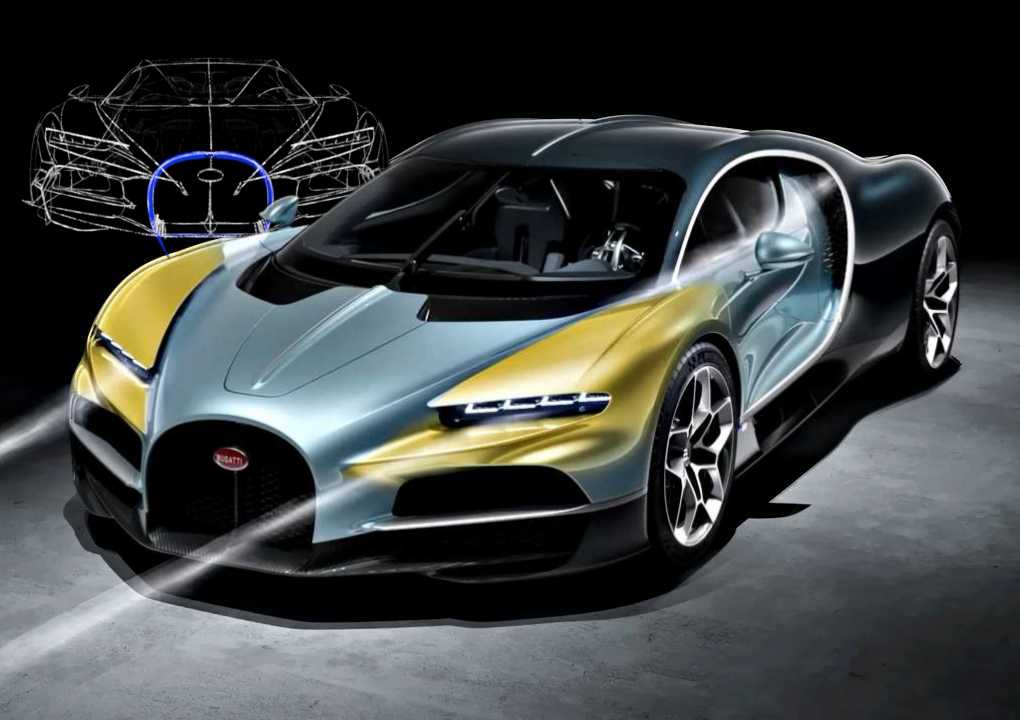
It’s been well over a year since the limited-edition V16 naturally aspirated Bugatti Tourbillon first emerged from public view in June 2024, but the French automaker continues to emphasize the immense engineering and design challenges behind its development. As part of its ongoing documentary series “A New Era,” Bugatti is releasing short films that uncover the layers of the Chiron successor and show how a century of design heritage evolved into something completely new.
In the latest episode, chief exterior designer Jan Schmid and his team take you through the exterior design philosophy of this 250+ mile per hour hypercar. Their task was monumental: to reinterpret Bugatti’s DNA for a hybrid future without losing the instantly recognizable form that has defined the storied brand for more than a century. Schmid calls it “finding the sweet spot for what a Bugatti is and what a Bugatti can be.”
Every line, every opening and every fold on the tourbillon serves a purpose. For example, the widened and lowered horseshoe grille not only looks aggressive; It improves airflow while perfectly fitting an EU license plate without compromising aerodynamics. It is inspired by previous models including the Type35. Inspired by the riveted spine of the legendary Type 57 SC Atlantic, the fuselage centerline runs from nose to tail, culminating in a sleek, integrated third brake light.
The curved Bugatti line curves from the A-pillar around the greenhouse before sweeping forward again, defining both movement and proportions. This is also where the brand’s iconic two-tone color split begins, a nod to its earliest creations. The side profile emphasizes the shape of a “Coke bottle” and slims the waist before merging into the muscular buttocks.
Innovative packaging, as CEO Mate Rimac emphasized, was key to the overall shape, which is also inspired by nature, more specifically the falcon. Although the tourbillon matches the footprint of the Chiron, it offers more luggage space, an electric front axle and additional aerodynamic ducts while sitting lower to the ground. The headlights mounted on Bugatti’s so-called “flying fenders” serve a functional purpose: they direct air through the body to supply the radiators and the side air intakes.
At the rear, 124 LEDs form a single monoblock taillight bar, in the middle of which the Bugatti logo lights up. The open engine compartment shows the naturally aspirated V16 engine as part of the sculpture and not something to be hidden. Other highlights include the aggressive diffuser that begins behind the front seat and the active rear wing that blends seamlessly into the body and only extends when necessary. Frank Heyl, Bugatti’s design director, also highlighted this in episode 2 of the series.
Schmid’s favorite detail? The wide surface of the rear fender is inspired by the muscular proportions of the Veyron. In his words, it adds “real strength and muscle” to the pose. The tourbillon represents the meeting point between tradition and innovation. In the following film you will find out more about this flagship with 1,800 hp, which is limited to just 250 examples and for which everything is forgiven.
Images: Bugatti



