



Disappointing full-year results from LVMH suggest the global luxury sector is facing more than just a short-term slowdown and challenges are likely to continue into 2026, according to a new analysis.
Commenting on the figures for the year ended December 31, 2025, Sharon Iles, senior apparel analyst at GlobalData, said the performance underlined “ongoing issues across the luxury market.”
LVMH reported a 4.6% decline in full-year sales to 80.8 billion euros, while fourth-quarter sales fell 5.1%, a deterioration compared to the third quarter. Investor concerns about the outlook sent the group’s share price down around 7% in early trading.
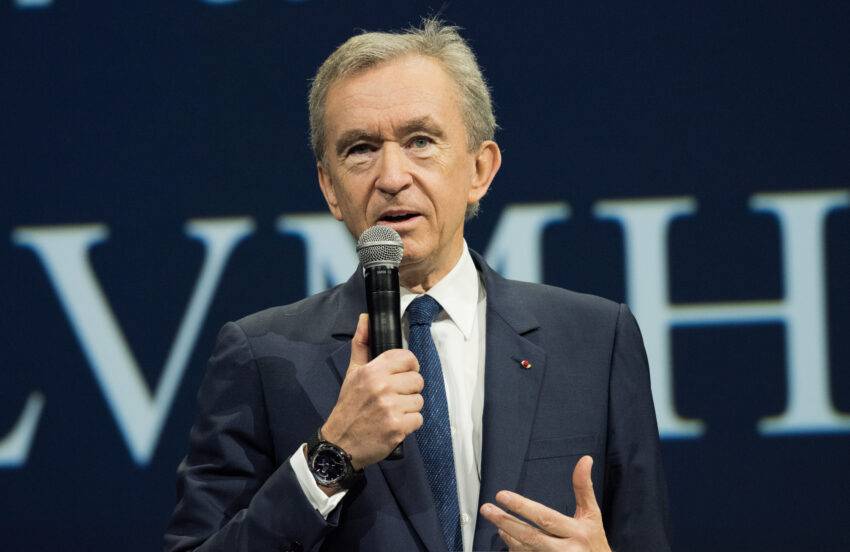
Chief Executive Bernard Arnault struck a cautious tone, warning that 2026 would be challenging and announcing tighter cost and spending controls.
Regional performance remained uneven. In Asia ex-Japan, organic sales fell 4%, below the group average, as consumer spending in China remained subdued amid ongoing economic headwinds. Still, LVMH continued to invest heavily in the region, including the opening of a ship-shaped Louis Vuitton flagship in Shanghai in June 2025 and a new Dior store in Beijing in December, both of which have begun to gain traction.
Japan was the worst-performing market, with a 12% decline in organic sales, reflecting difficult year-on-year comparisons and yen volatility. In contrast, the US held up relatively well, with stagnant organic growth driven by robust spending by ultra-high-net-worth consumers. Organic sales in Europe fell just 1%, but Iles pointed out that momentum slowed during the year, partly due to lower U.S. tourism and weaker consumer confidence.
By business line, the fashion and leather goods segment, LVMH’s largest segment, posted an 8% decline in sales, although the decline moderated over the year. Creative initiatives have helped restore cultural momentum, with high-profile collaborations under Pharrell Williams at Louis Vuitton Menswear and Jonathan Anderson’s first Dior collection generating widespread buzz and positive reviews. According to GlobalData, these creative successes are now starting to translate into commercial profits, albeit gradually.
Selective Retailing was the group’s best-performing business, with sales flat year-on-year. Growth was supported by Sephora, which continues to attract younger consumers and strengthen its position as a leading prestige beauty destination.
With a decline in sales of 9.4%, the wines and spirits division faced the greatest challenges. Weak demand in China and the US as well as tariff-related operational issues weighed heavily on performance.
Iles concluded that while LVMH’s results continue to provide resilience, they also highlight broader structural pressures on the luxury sector. Slowing demand in key markets, changing consumer behavior and geopolitical uncertainty suggest that the industry’s recovery is likely to be uneven and prolonged, rather than a rapid recovery.



