



Porsche has had a difficult 2025, and that’s reflected in the sales numbers the company just released.
The luxury sports car maker sold 279,449 cars last year, 10 percent less than 310,718 units in 2024. Just two years earlier, Porsche achieved its best sales figures of all time (320,221).
Combined with declining profitability and a course correction toward gasoline and plug-in hybrid vehicles, new CEO Michael Leiters, who started work on New Year’s Day, has a lot to do.
Models
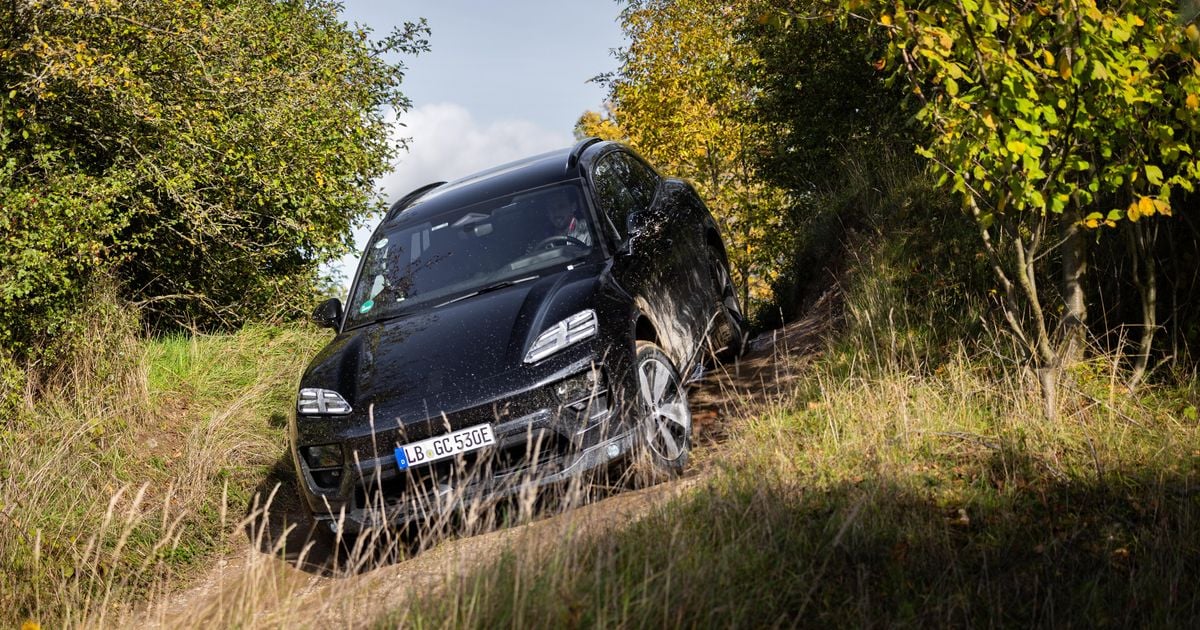
The Macan (84,328) became the company’s best-selling model. The second-generation pure electric Macan accounted for 45,367 or 53.8 percent of the total.
While it is now an electric-only model in many markets, including Europe and Australia, the first-generation gasoline-powered model continues to be sold in some countries, including the United States.
The Macan and the signature 911 were the only model series to record (small) sales increases last year.
The Cayenne, most recently Porsche’s best-selling model, lost its sales crown in 2025 due to “catch-up effects in the previous year”.
Production of the 718 Boxster/Cayman ended in October before the much-delayed electric replacement was ready. Meanwhile, Taycan sales fell “mainly due to the slowdown in electric mobility adoption.”
| Model | Sales | Change |
|---|---|---|
| Macan | 84,328 | +2 percent |
| Cayenne | 80,886 | -21 percent |
| 911 | 51,583 | +1 percent |
| Panamera | 27,701 | -6 percent |
| 718 Boxster/Cayman | 18,612 | -21 percent |
| Taycan | 16,339 | -22 percent |
According to Porsche, 22.2 percent of sales last year were electric vehicles and 12.1 percent were plug-in hybrids. That means electric vehicles accounted for 34.4 percent of total sales, up 7.4 percent year-on-year.
In Europe, around a third of all Porsche sales were electric vehicles, with electrified vehicles accounting for 57.9 percent of sales in the region.
Globally, 59.1 percent of sales were SUVs, another 25.1 percent were two-door sports cars and 15.8 percent were sedans and station wagons.
Regions
Although overall sales fell, Porsche’s numbers in North America remained essentially flat – down just 312 units.
The “Overseas and Emerging Markets” collection group, which includes Australia and especially the Middle East, also held up quite well and only recorded a decline of 559 units.
In Australia, VFACTS figures show Porsche sales fell 27.0 percent to 5133 units, with all model ranges except the Panamera (up 24.2 percent to 82) falling in 2025. Macan remained the most popular model (2194, down 34 percent), with the 911 (724, down 7.5 percent) in distant second place.
Elsewhere, however, the reading is not pleasant. In Europe and Germany, the company attributes the 13 and 16 percent decline, respectively, to the end of 718 Boxster/Cayman production as well as the gap between the start of sales of the Macan EV and the discontinuation of the first-generation Macan due to EU cybersecurity regulations.
In China, where the company lost an alarming 26 percent, Porsche blamed “challenging market conditions” in the luxury sector and “intense competition” in the electric vehicle space. Another reason the brand cites is its “value-based selling” ethos, which in company parlance means a lack of discounting.
Porsche says it remains committed to its value-over-volume policy, so sales in China and other regions may not reach new heights for a while.
| region | Sales | Change |
|---|---|---|
| North America | 86,229 | (unchanged) |
| Europe (excluding Germany) | 66,340 | -13 percent |
| Overseas/emerging countries | 54,974 | -1 percent |
| China | 41,938 | -26 percent |
| Germany | 29,968 | -16 percent |
MORE: Explore the Porsche showroom



